As Singapore’s built environment evolves, the conversation around what makes a good space is becoming broader. While efficient planning, cost control and yield remain central, there is now greater emphasis on how design can enhance well-being, comfort and social connection.
At the recent Desk Dialogues organised by Conexus and Knight Frank, REDAS CEO Anthony Chua joined Ong Ker-Shing, Founder of Lekker Architects, in a conversation moderated by Roohid Navinrooz.
Finding the balance
Developers continue to balance between maximising lettable space and creating environments that people enjoy using. While efficiency drives project feasibility, shared or social areas can improve tenant satisfaction and retention over time.
Finding this balance between measurable returns and intangible user benefits remains both an art and a business decision.
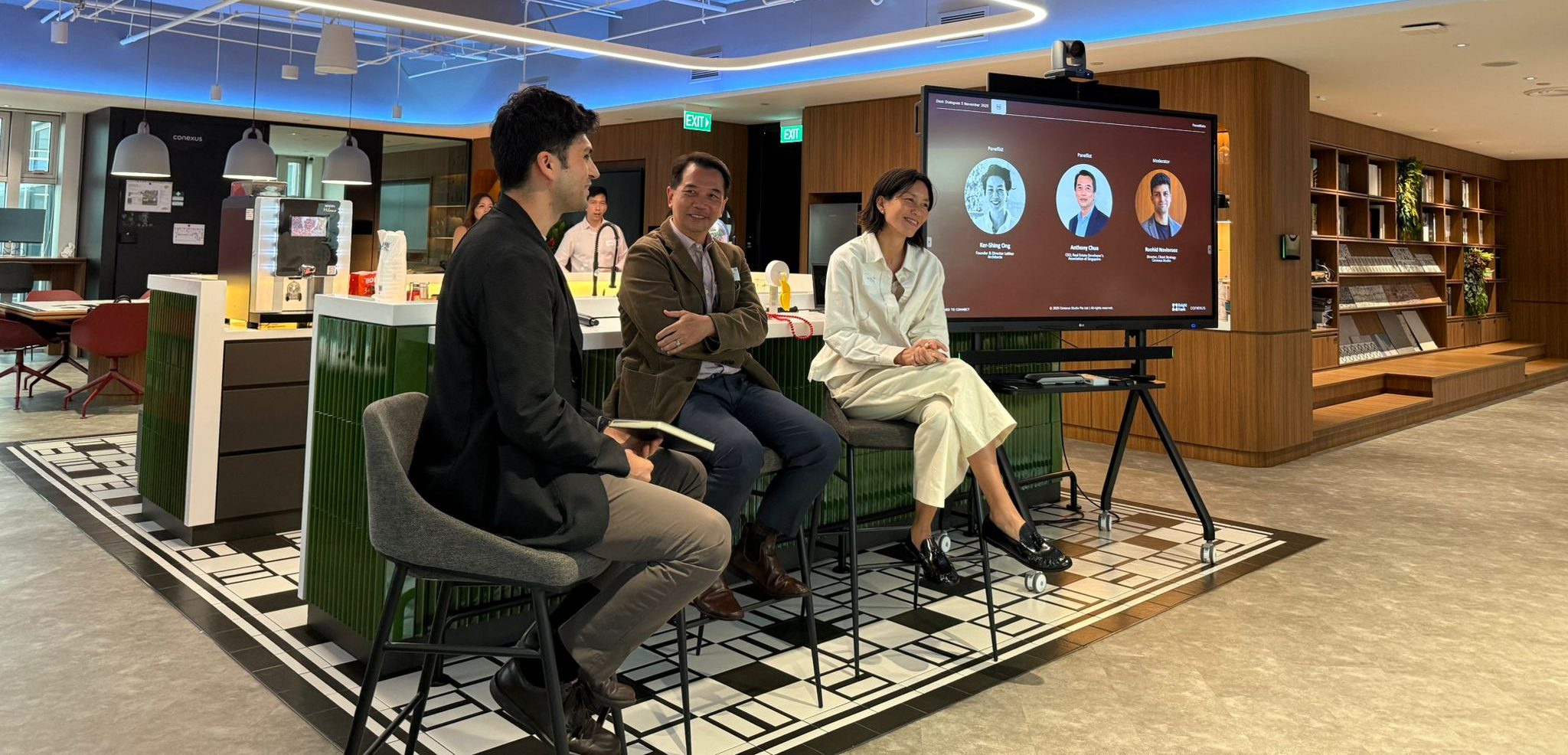
Understanding how people use space
Designing spaces that work well requires a clear view of how people actually behave in them. Ker-Shing described her practice’s effort to learn from users long after completion, observing how people adapt and make a space their own.
“When you leave room for someone to interpret what you’ve done, they put themselves into it,” she shared. “That creates ownership and connection.”
Inclusive and practical design
The scope of inclusion has widened to cover users with sensory sensitivities or invisible needs. This often involves simple, practical measures, such as calmer lighting, clearer wayfinding, or more comfortable transition areas, that benefit everyone, not only specific groups.
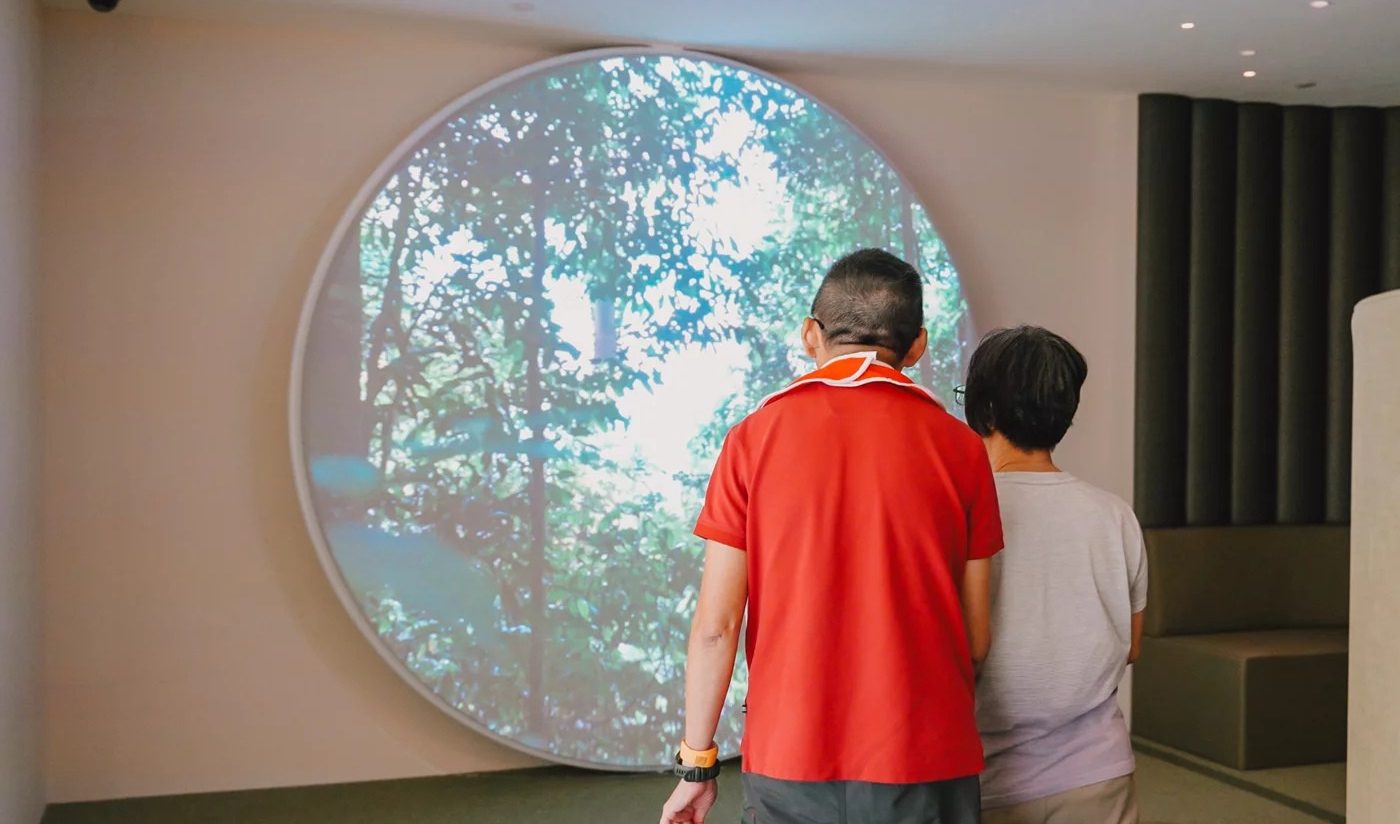
Comfort, greenery and well-being
Discussions also touched on how greenery, air, light and shade affect people’s comfort. According to the Knight Frank Quality of Life report, 68% of respondents cited natural lighting and good ventilation as the most important features in a workplace. While such features can enhance perceived quality and align with sustainability goals, they also need to be balanced against maintenance and cost considerations.
Sustaining community character
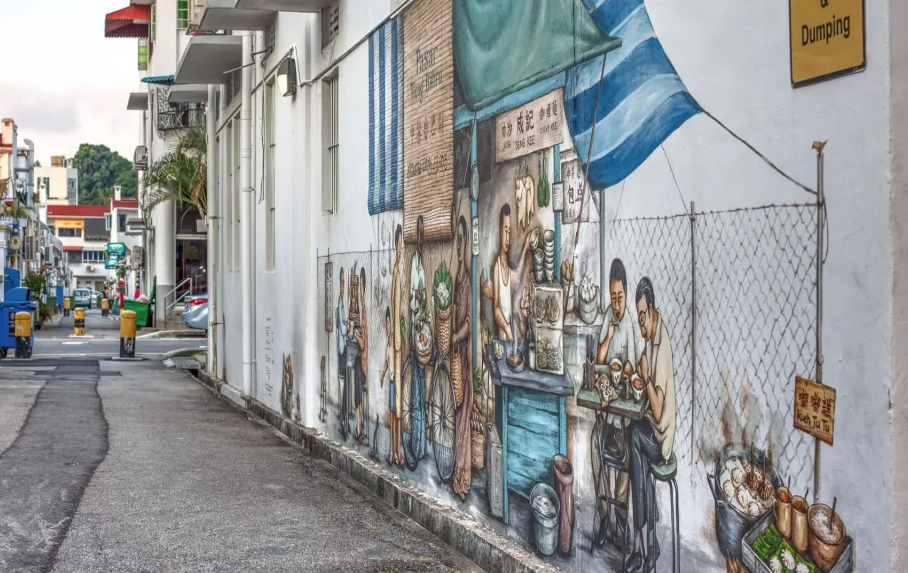
Placemaking continues to be a mix of planning and organic growth. Well-loved districts like Tiong Bahru and Siglap developed their character naturally through community activity and trade. For mixed-use or strata-titled developments, it was discussed that maintaining a clear management and tenancy strategy helps preserve quality and avoid gradual decline. Effective stewardship is key to sustaining both vibrancy and asset value.
The dialogue reflected a shared view that design quality and user experience increasingly influence long-term performance, even as traditional measures of efficiency and yield remain vital.
For developers, the challenge lies in balancing commercial discipline with genuine attention to how people live, work and interact within their spaces. This is a balance that ultimately defines the resilience and relevance of every development.