A 360 Integrated Approach to Architecture, Conservation and Design
For ONG&ONG, meaningful architecture goes beyond creating new spaces. It is about taking a holistic, 360 integrated approach that brings together architecture, landscape and conservation to shape spaces that are both functional and enduring.
Two decades ago, ONG&ONG evolved beyond traditional architectural services towards a 360 integrated service model. Today, this spans architecture, interiors, landscape, lighting and engineering, including mechanical and electrical systems, as well as branding.
This integrated model allows the firm to carry a cohesive vision from concept to completion. By bringing diverse disciplines together under one roof, ONG&ONG is able to align design intent, technical performance and delivery execution more seamlessly.
St Joseph’s Church Restoration in Singapore
This approach is reflected in the restoration of St Joseph’s Church, a National Monument in Singapore dating back to 1912. Completed in 2022, the five-year restoration revitalised the historic landmark while preserving its architectural integrity and character.
By 2017, the church required urgent restoration. Decades of settlement on marine clay had caused structural shifts, from inclining roof trusses to a sagging choir loft and instability in the ground slab. The project required extensive technical intervention, alongside meticulous conservation of key features such as stained glass windows, statuary, encaustic floor tiles and original timber elements.
URA Architectural Heritage Award 2024, 20 Under 45 Recognition and SIA Design Awards
The restoration of St Joseph’s Church was recognised with the URA Architectural Heritage Award 2024, and the SIA Design Awards, underscoring the rigour and sensitivity required in conservation work.
In parallel, architect Joe Fu was featured in URA’s 20 Under 45 programme, spotlighting emerging architects shaping Singapore’s built environment. Together, these recognitions reflect both the quality of the project and the growing importance of conservation excellence in Singapore.
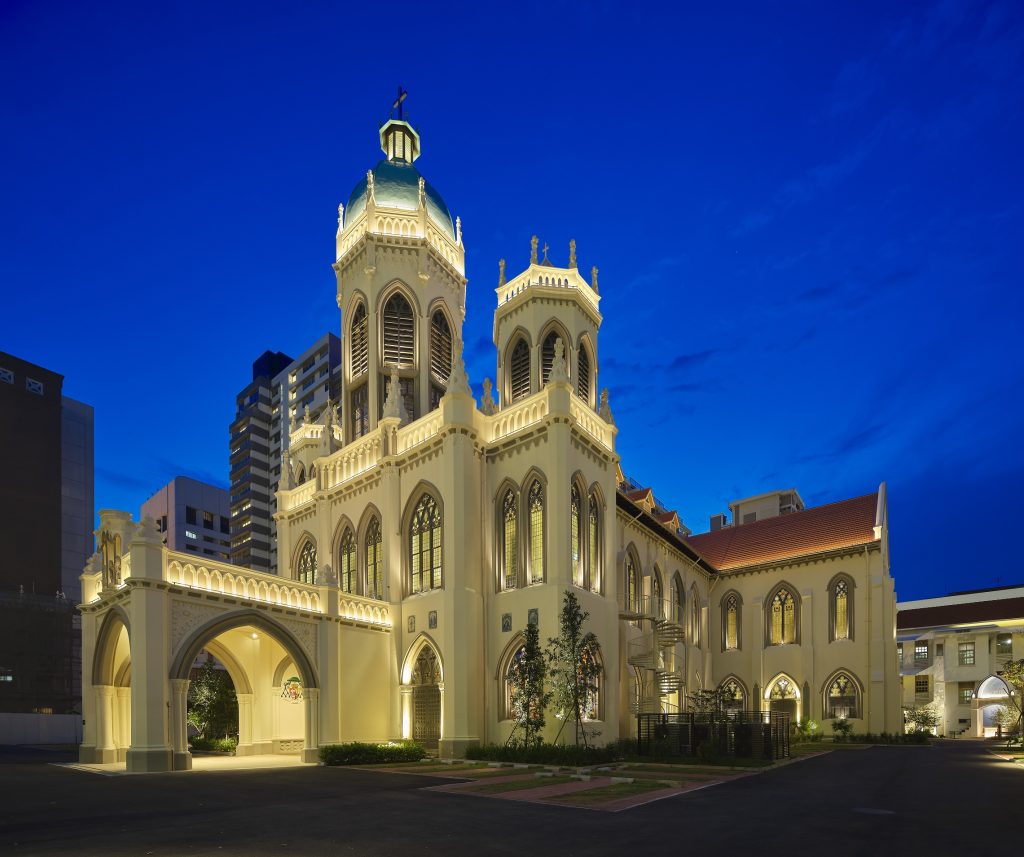
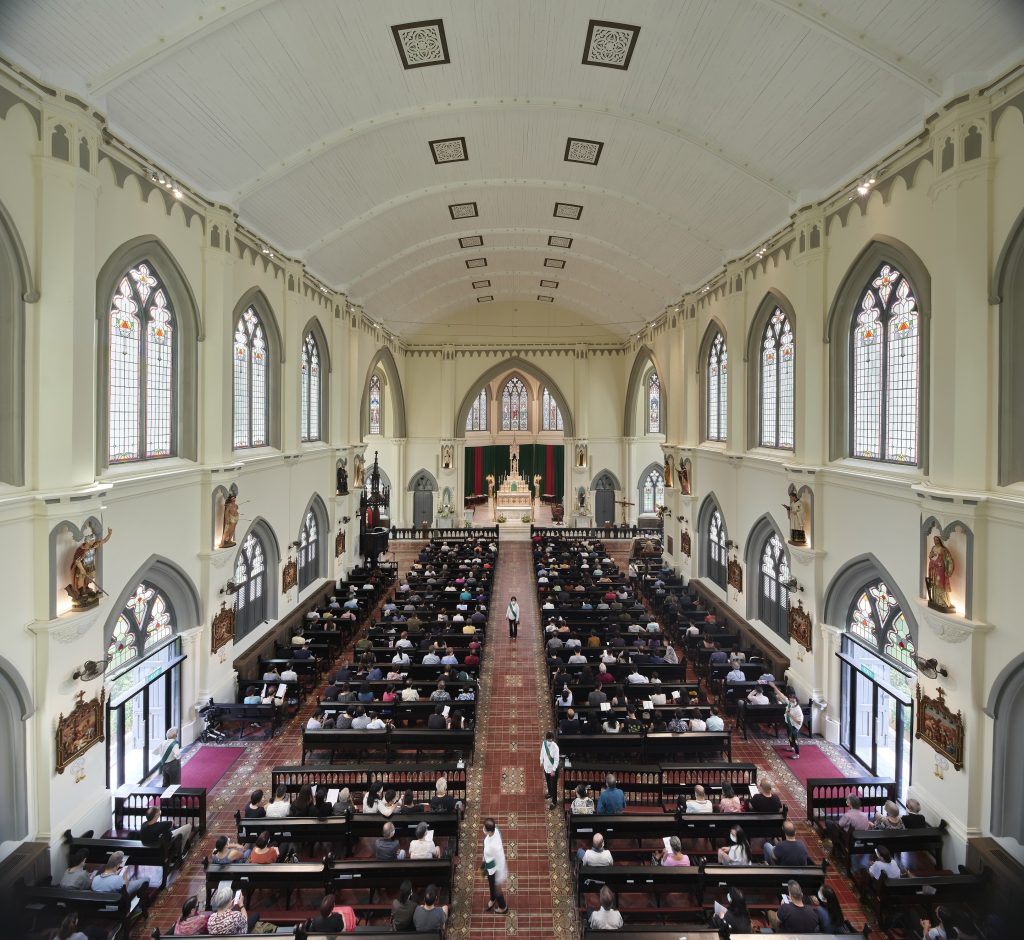
Joe Fu on Adaptive Reuse and Conservation in Singapore
Beyond its technical complexity, the project reflects a broader philosophy of adaptive reuse and thoughtful rejuvenation.
As Joe Fu shared:
“In Singapore, making additions and alterations to our existing buildings is an important area of work. It is not always about building something new from the ground up. Often, it is about reimagining what is already there. I think there is a lot of room for creativity in how we adapt our existing spaces. I believe the old and the new can sit side by side without one having to pretend to be the other. When done thoughtfully, this mix can add depth and character to a place.”
This perspective highlights why conservation and adaptive reuse are becoming increasingly relevant in Singapore’s built environment.
Why Building Conservation Matters in Singapore
In the early years of nation-building, Singapore moved quickly to modernise. In that process, parts of its architectural heritage were lost. Reflecting on this, our founding Prime Minister Mr Lee Kuan Yew once shared:
“We made our share of mistakes in Singapore. For example, in our rush to rebuild Singapore, we knocked down many old and quaint Singapore buildings. Then we realised we were demolishing what tourists found attractive and unique in Singapore. We halted the demolition. Instead, we undertook extensive conservation and restoration of ethnic districts such as Chinatown, Little India and Kampong Glam and of the Civic District, with its colonial era buildings… The value of these areas in architectural, cultural and tourism terms cannot be quantified only in dollars and cents. We were a little late, but fortunately we have retained enough of our history to remind ourselves and tourists of our past.”
That realisation marked a turning point in Singapore’s conservation journey and continues to shape how the city approaches heritage, adaptive reuse and restoration today.
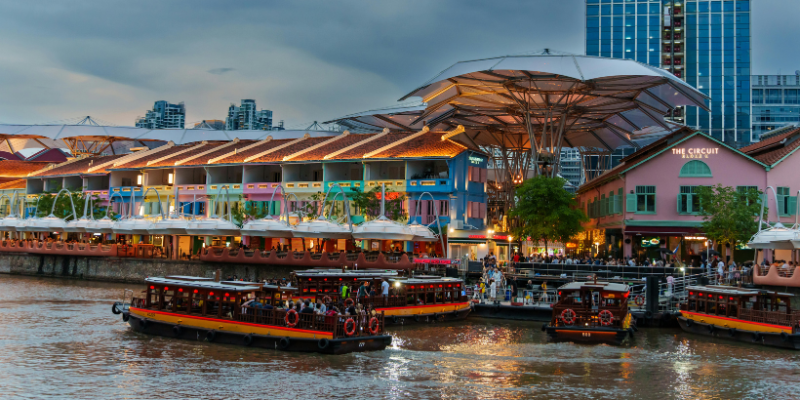
Conservation and Adaptive Reuse in Singapore’s Built Environment
As Singapore’s building stock matures, the question is no longer just what to build next, but how to thoughtfully adapt what already exists.
Projects such as St Joseph’s Church show that conservation is no longer niche. It is becoming central to how cities evolve. More than preserving façades, such work is about retaining memory, identity and cultural continuity, while integrating modern requirements in a sensitive and forward-looking way.
How REDAS Members Contribute to Singapore’s Built Environment
Across the industry, REDAS members contribute in diverse ways to this evolution, bringing together expertise to shape a built environment that is both future-ready and grounded in identity.
As a collective platform, REDAS continues to connect these efforts through dialogue, knowledge-sharing and industry collaboration.