Transformation as the Next Frontier: Why Repositioning is Becoming Core to Investment Strategy
By Eve Clark, Regional Director and Head of APAC Architecture, Henning Larsen with over 25 years of experience across real estate investment, development and design, including leadership roles on the client and investor side
Across the markets I’ve worked in, one shift has become increasingly clear. Value in real estate is no longer created primarily through acquisition, financial structuring or development cycles. It is increasingly created through what we choose to do with what already exists. Creating alpha, maximising value in existing assets.
In today’s environment, transformation through asset repositioning and adaptive reuse is no longer a design consideration. It is becoming an effective value-add investment strategy. With inflationary pressures, more selective capital, and ongoing geopolitical uncertainty, the appetite for higher-risk, ground-up development has softened. Investors are becoming more deliberate, more disciplined, and in many cases, more cautious. What I am seeing instead is a growing focus on extracting value from existing portfolios.

From Passive Ownership to Active Asset Strategy
We are moving away from a period where value could be unlocked largely through timing and financial structuring. The next phase of the cycle demands something more deliberate. It requires active asset management, sharper sector positioning, and a much closer alignment between investment strategy and the physical performance of the asset. This is where repositioning becomes particularly powerful. When approached correctly, it allows investors to upgrade not just the building itself, but its relevance in the market. It creates the opportunity to respond to how people now live, work, and interact with space.
Why Existing Assets Are Becoming More Attractive
In practical terms, repositioning offers advantages that are increasingly difficult to ignore. It reduces exposure to construction risk, shortens delivery timelines, and allows capital to be deployed more efficiently. More importantly, it gives investors the ability to respond quickly. At the recent PERE Real Estate Investor Summit, one message came through clearly. The market is at or approaching the bottom of the current cycle, but the next phase will look very different from the last. Value creation will rely far less on financial engineering and far more on operational performance, sector selection, and active asset management. This is precisely where repositioning is gaining traction – particularly in markets where you can acquire existing assets well below replacement cost.
Across the discussions, there was strong consensus that capital is flowing towards strategies that can actively enhance asset performance, particularly in sectors with structural demand such as living, student housing, and other operational real estate. What is becoming clear is that repositioning is no longer a defensive strategy. It is increasingly where outperformance is being engineered. What is also notable is that this shift is not uniform across markets.
-
- In Australia, repositioning is being deployed more assertively, particularly in upgrading office assets and aligning them with long-term institutional strategies around quality and sustainability.
- In Japan, the approach tends to be more measured and yield-focused, with incremental improvements that prioritise stability and operational efficiency.
- Singapore continues to be driven by land constraints and regulatory frameworks, with repositioning increasingly tied to ESG performance and the need to maintain premium positioning in a competitive market.
- Hong Kong is beginning to see more repositioning activity emerge as vacancy pressures in certain sub-markets reshape the office sector, although execution remains selective.
Across these markets, a common thread is observed. Repositioned assets are not outperforming because they are new, but because they are better aligned to what occupiers now value, whether that is differentiation, flexibility, amenity, sustainability, or overall experience.
Responding Before Obsolescence Sets In
One of the more pressing challenges today is not underperformance, but obsolescence. Hybrid work patterns, demographic shifts, and evolving expectations around wellness and technology are reshaping demand. Assets that were fit for purpose even five to ten years ago can quickly lose their competitiveness. Adaptive reuse allows us to intervene earlier and extend the overall life of the asset. Whether it is converting commercial buildings into residential formats or rethinking the workplace experience entirely, transformation enables assets to remain relevant rather than react too late when the cost to reposition is not economical.
The ESG Reality
Sustainability is now fully embedded in investment decision-making. Adaptive reuse remains one of the most effective tools for reducing embodied carbon, often significantly compared to new construction. But beyond environmental metrics, it also aligns with where regulation, financing, and tenant expectations are heading. What we are seeing is a convergence. Environmental performance is no longer separate from financial performance. The two are increasingly intertwined.
A More Circular Approach to Real Estate
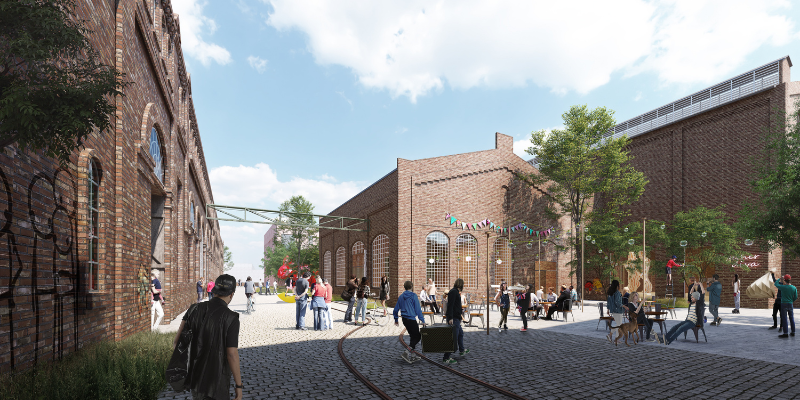
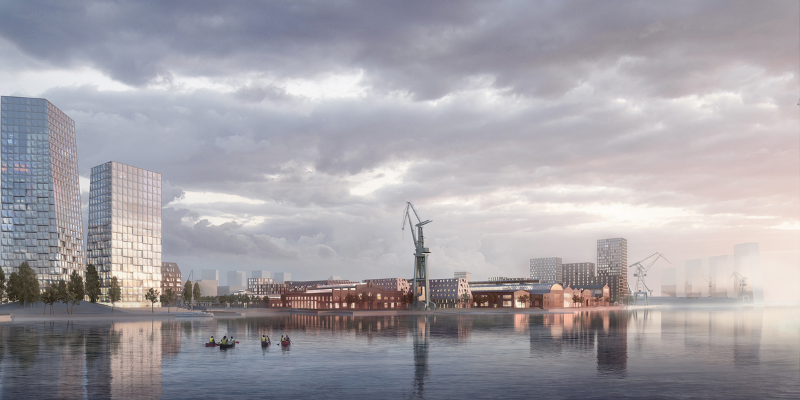
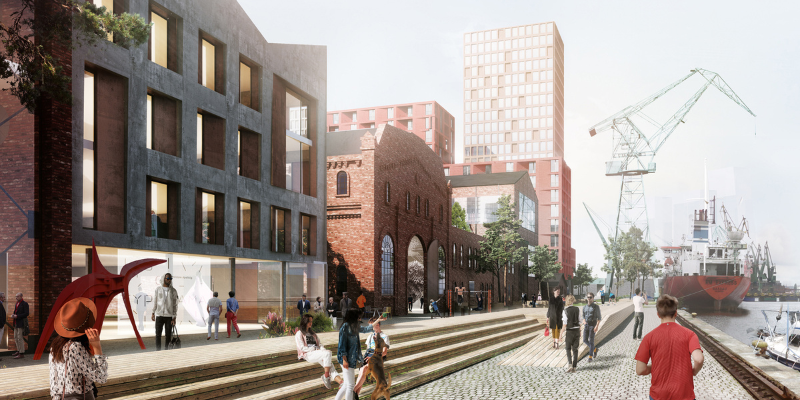
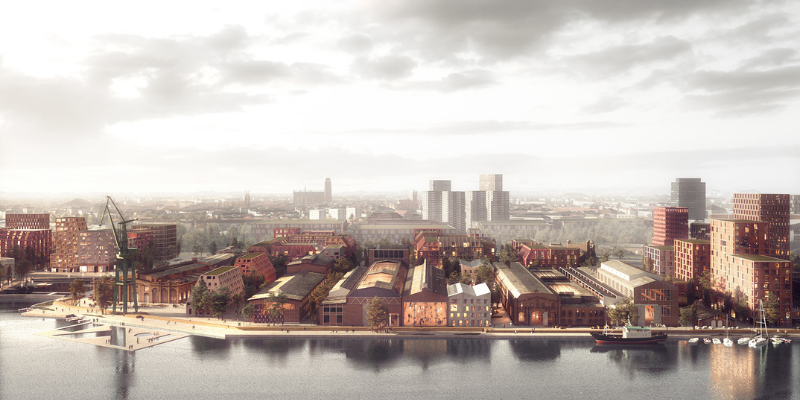
At a broader level, this reflects a shift towards a more circular model of development. Instead of defaulting to demolition and rebuild, there is growing recognition of the value in renewal, extension, and reinvention. This opens up new possibilities. Underutilised assets can be repositioned into higher-performing stock. Entire precincts can be revitalised. Buildings can be designed to adapt over time rather than become obsolete.
Where Design Comes In
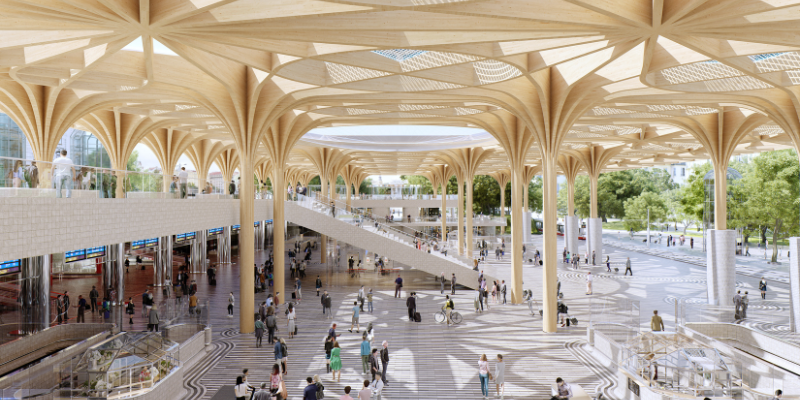
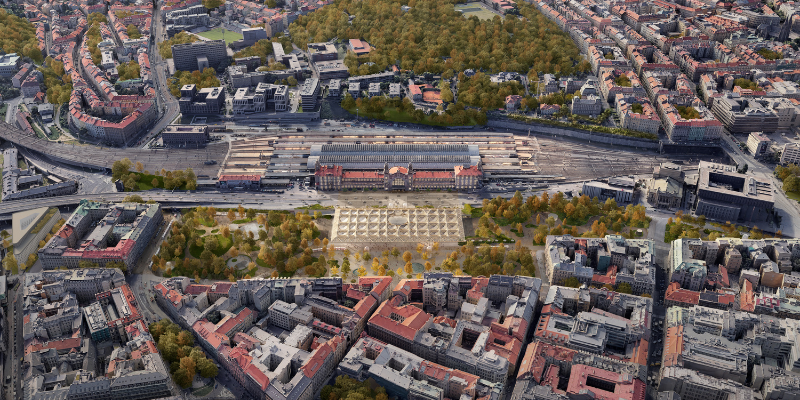
What this ultimately requires is a different way of thinking about design. Design is no longer just about form or aesthetics. It becomes a strategic tool that supports investment outcomes, operational performance, and long-term resilience.
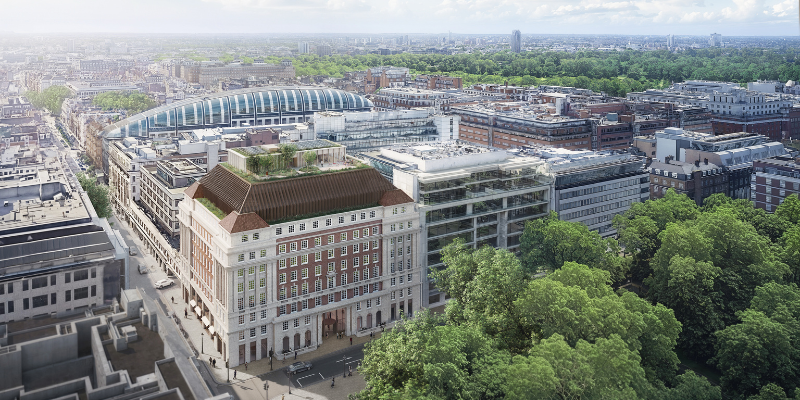
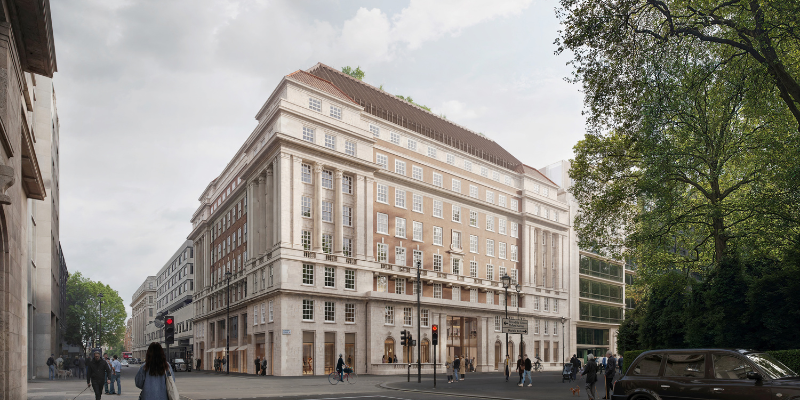
At Henning Larsen, we are increasingly engaged earlier in the process, not just designing buildings, but helping shape feasibility, strategy, and the business case behind transformation. Having worked across both the developer and design sides, I have seen how powerful it can be when these perspectives are aligned from the outset. Projects like Padme’ in London’s Portman’s square demonstrate what is possible when investment intent and design thinking are brought together early and with clarity.
Looking Ahead
Transformation is not a temporary response to current market conditions. It reflects a more fundamental shift in how value is created in real estate. For investors, it offers a way to navigate uncertainty with greater control. For cities, it supports a more sustainable and resilient built environment. For the industry, it challenges us to think differently about what already exists, and what it can become.